
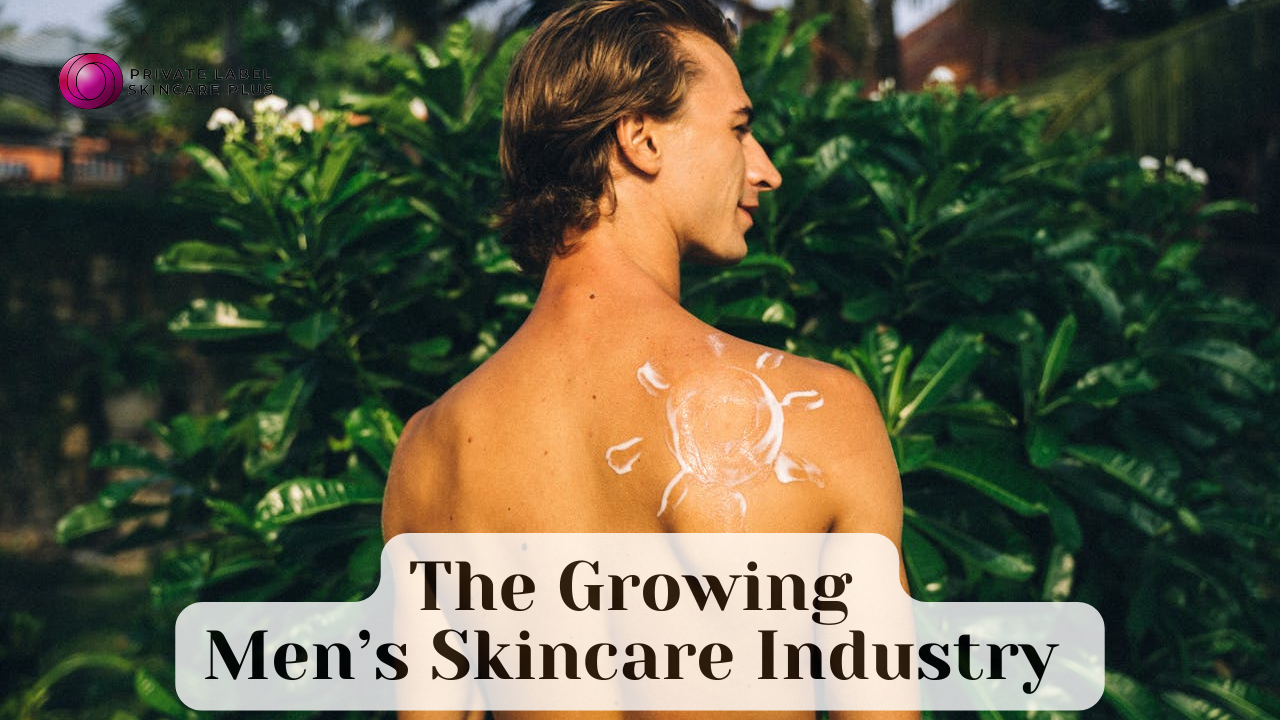
The skincare landscape is undergoing major shifts, and one of the most significant developments has been within men’s skincare and grooming. What used to be considered a sub-category is now a fully developed category for consumers spurred on by shifting consumer perceptions, changing attitudes around personal wellness, and evolving definitions of beauty. For skincare brands (especially private label brands), this presents a great opportunity to tap into a rapidly growing and expanding market.
In this post, we will explore why the men’s skincare market is steadily growing, what factors are driving consumer behaviour, what treatments and products are emerging, and considerations that brands can take in order to effectively access this market. But before we delve into that in the next section let’s get back to basics and discuss the fundamentals.
Understanding The Rise of Men’s Skincare
For the past several decades, the space of skincare has been for women. Self-care products that were available for men tended to be within the grooming segments (shaving cream, aftershave or basic moisturizer) – which is a stereotype that is slowly being eradicated.
Market research showed that the global men’s skincare market value was over $20 billion in 2022 and it’s projected that the market will continue to grow at a double-digit growth rate for the next decade. Based on the information discussed in this article, we can see that men are starting to see self-care as an important element of their lives, due to several factors, including:
- Shifting cultural norms: The society is starting to allow men to be more accepting in incorporating grooming and skin care into their identity,
- Social media and influencer impact: Male influencers and celebrities are openly advocating for skincare regimens, so skincare becomes normalized.
- Increased awareness of skin health: The awareness of sun damage, aging, acne, skin conditions due to pollution risks, and the ensuing conditions has allowed men to look for solutions.
- Wellness lifestyle integration: Skincare has since become part of the lifestyle of wellness that they practice along with fitness and nutrition.
This transformation in consumer culture has created a huge opportunity for brands to get creative and build their habits in loyal male consumers.
How Male Consumers and Their Preferences Work
Men engage with skincare products differently from women, and brands must consider certain differences when developing and marketing products that suit men’s use. Below are ways:
a) Simplicity and Functionality
Many men want simple routines. They tend to gravitate toward products that provide a lot of function in one (ex., moisturizer with SPF, facewash and exfoliation, etc) – they are less interested in using 5 products a day.
b) Subtle Branding and Packaging
Men prefer subtle options, and color and packaging do matter. They like to buy men’s care products that have neutral colors, functional labels, and graphic design that is masculine and minimalist (vs floral in female products) and simple.
c) Education and Guidance
Many male consumers are new to skincare, but for some, they are only looking for guidance. For e.g., what products to use, in what order, and why. If you can provide men’s skincare routine ideas and (product education), you can build credibility faster.
d) Natural and Effective Ingredients
Today’s male consumer cares about ingredients, so there is a trend towards products that claim to be clean, natural, or scientifically backed. If you can give transparency on an ingredient list and product benefits, then the audience will relate.
Product Categories Driving Growth for Men’s Skincare
It’s important to identify the types of products that are being adopted quickly if you want to effectively launch into the men’s skincare market.
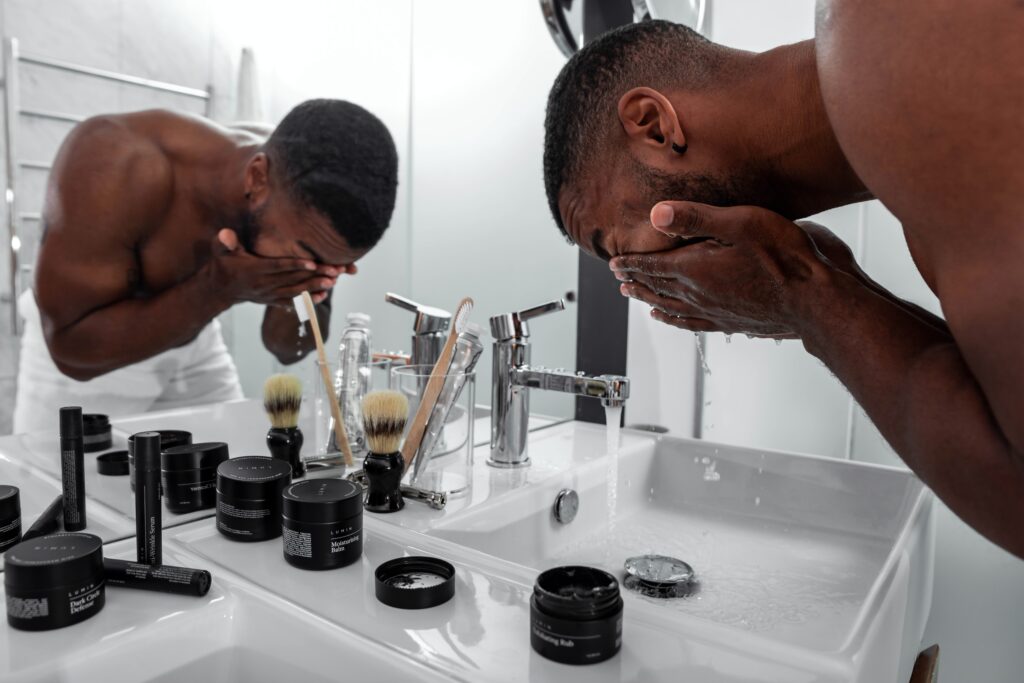
- Cleansers & Face Washes: The starting point into men’s skincare products and therefore the basic level of entry point products for men new to skincare. Formulations around oil control, acne, or pollution damage are increasingly becoming popular.
- Moisturizers & Hydrators: Products that help prevent roughness and provide a smoother surface are becoming a notable mainstream deal. As well, lightweight, non-greasy formulations tend to work well.
- Sun Protection (SPF): Men are becoming increasingly aware of skin damage related to the sun. Quick-growing categories are moisturisers containing SPF and topical sunscreen products formulated for men.
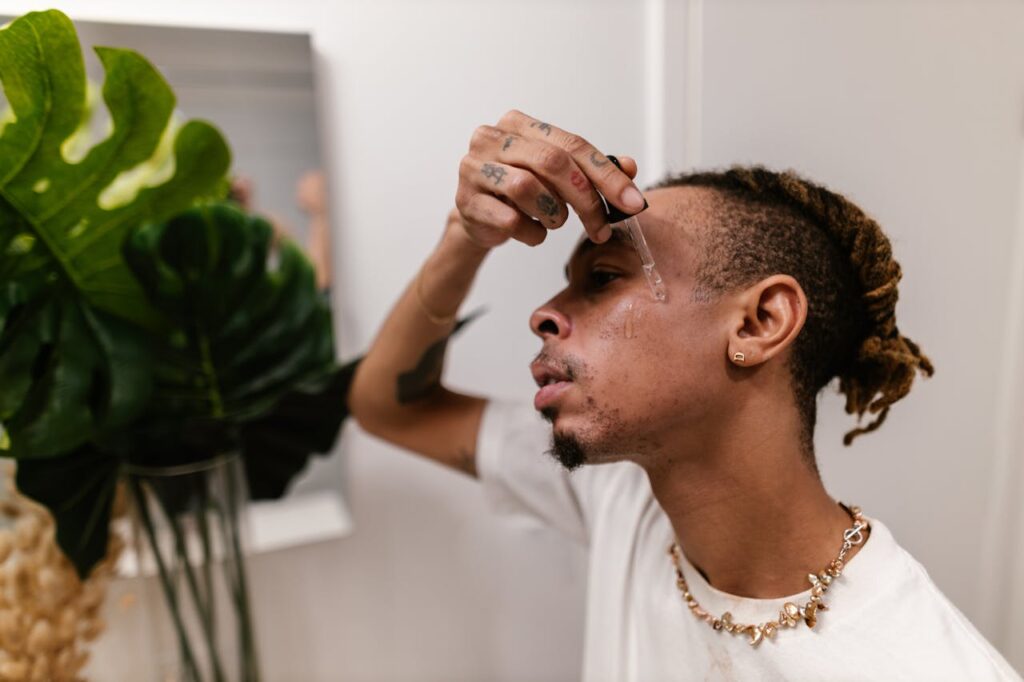
- Anti-Aging Products: A great deal of men are becoming aware of premature aging. Eye creams targeting bags and dark circles, serums targeting fine lines, and night creams targeting fine lines are increasingly being promoted to men.
- Beard and Skin Care Hybrids: The current popularity of facial hair continues to create subjective purpose,/beard products are now being promoted for skin & facial hair. For example, beard oils often have skin conditioning benefits and are becoming more accepted in terms of product use.
- Treatment Products: Spot correctors, acne spot treatments, and products playing to precise purposes like dark circles, pigmentation, and sensitivity, are continuing to make a slower niche for themselves.
Strategies for Tapping into the Men’s Skincare Market
For brands wanting to enter this incredibly fast-growing space, using the right approach is important. Here are a few approaches that we know are effective:
1) Product Innovation with Simplicity
Keep it simple and use the basics: a cleanser, a moisturizer and sunscreen. You will have established consumer patterns and can take the leap into the more complicated things down the road, and we know men love a two-in-one.
2) Tailored Marketing Messages
Generic advertising should not be how your story is told to the consumers. Messages that give confidence, performance, and health messaging will put the use of skincare almost completely outside of beauty. The advertising could even showcase how the use of skincare can help with appearance, self-confidence at work, and healthy skin post-workout.
3) Influencer and Celebrity Endorsements
Men are swayed by role models, so look for male athletes, male actors or male influencers to get the conversation started and change the dialogue as it relates to the male skincare space.
4) Leverage E-commerce and Subscription Models
Men like convenience, and a subscription for something they use daily or have to replenish all the time like cleansers or moisturizers, is a way to lock in repeat purchases and longer-term overall brand loyalty.
5) Educate Through Content
Content marketing has a lot of value in the industry. Through blog posts and easily digestible tutorials, short videos and infographics to convey skin care routines or claims to product benefits, you can simplify the skin care experience for men, with the opportunity to inspire them to use new products.
6) Sustainability and Clean Labeling
Sustainability appeals to a demographic-wide swath of consumers. Men are becoming more excited by eco-friendly, cruelty-free claims with clean and clear labeling. Therefore, you can make these lazy-man claims convincing enough to hang your sales on.
Regional and Demographic Considerations for Men’s Skincare
Men’s skincare is a broad category of products. Trends in men’s skincare are largely influenced by culture, region, and demographics that affect consumer awareness and buying behavior. Urban consumers are usually the most experimental and early adopters in adopting a new category and brands because urban markets usually have a higher percentage of educated consumers. They also have more exposure to skincare categories. In contrast, rural markets are usually slower to adopt the category because they need more awareness and education before adopting a new product, particularly men’s skincare.
Additionally, age is also an important factor in demand. Younger men (18–30) are looking for products that impede acne, control oil, and provide basic grooming aspects while older men (30+) are looking to hydrate their skin, provide anti-wrinkle benefits, and use products that provide anti-aging benefits.
Cultural differences also have a significant impact. In some Asian markets, men’s skincare is a part of daily grooming, while in Western markets, men’s skincare is still emerging, and adoption is moving quickly. By perceiving and adapting to these nuances, brands can plan a more effective go-to-market strategy and tailor their products to the needs of the different segments, thus enhancing their contact with their segment.
How to Overcome Challenges in Men’s Skincare
While there are opportunities presented by male skincare, there are hurdles that companies will have to consider to develop proper strategies.
- Perception of Skincare: The biggest challenge is the perception that skincare is “for women.”
- Brand Identity: Companies need to create a strong masculine identity with intent messaging and packaging appealing to male consumers.
- Education: Brands may be selling skincare products to many men for the first time, so they must communicate benefits, application methods, and realistic expectations in a simple, trusting manner.
- Competition: Women’s skincare brands are entering the men’s market making it a difficult environment to sell in.
- Differentiation: Brands need to create a specific position in the marketplace, and to stand out, they could develop a niche targeting, new formulations, or a private label.
By addressing these challenges strategically, brands can turn hurdles into opportunities and establish relevance in the men’s skincare segment.
Conclusion
The men’s skincare sector embraces not just a niche, but a platform for growth with many opportunities. As brands begin to understand male consumers and provide easy-to-understand product offerings with fair value propositions, and branding that resonates with men. Such products are entering and optimizing their position within the growth in this space.
Also, men’s skincare brands are well-positioned to compete with private label products. Depending if you are entering with an essential, multi-functional product with daily use, good quality and eco-friendly products, or comprehensive treatment regimens, private label allows for flexibility in product category and brand story to set the brand apart.
In summary, men’s skincare isn’t just a trend; it is a complete strategy to take advantage of a segment of growth in a marketplace that is anticipated to grow. If you have the right products, benefits, and partners in place, you may be able to see your brand positioned as a category innovator that is paving the way for the next stage of the skincare world’s future. We would be happy to tell you more about our private label for men’s skincare.