
The skincare market in the U.S. is one of the fastest-growing, most innovative, and intensely competitive markets in the world. With a steady increase in consumer demand for moisturizers, serums, sunscreens, and a number of specialized treatments, the U.S. skincare market has found itself amidst a tremendous array of product options. But beyond the lovely packaging and clever marketing, brands need to understand the existing regulatory environment that governs skincare products.
This article aims to provide a practical understanding of (the U.S. Food and Drug Administration FDA) regulations for skincare products regulations applicable to skincare products by clarifying what the FDA expects, how cosmetics are defined differently from drugs under the law, and why compliance entails more than legality, but also relates to consumer trust.
Why FDA Regulations Matter in Skincare
The FDA is focused on and responsible for overseeing the safety of foods, drugs, medical devices, and cosmetics in the U.S. Also, the FDA does not approve cosmetic products before they are marketed to consumers (the only exception is color additives), but does enforce laws and guidelines with which brands must comply.
Disregarding FDA regulations for skincare products may lead to warning letters, product seizures, expensive recalls, or reputational damage. On the other hand, brands that prioritize compliance show customers and owners that they prioritize quality and safety. These two aspects are non-negotiables of the skincare industry.
Defining “Cosmetics” vs. “Drugs”
One of the most critical distinctions under FDA regulations is how the product is defined:
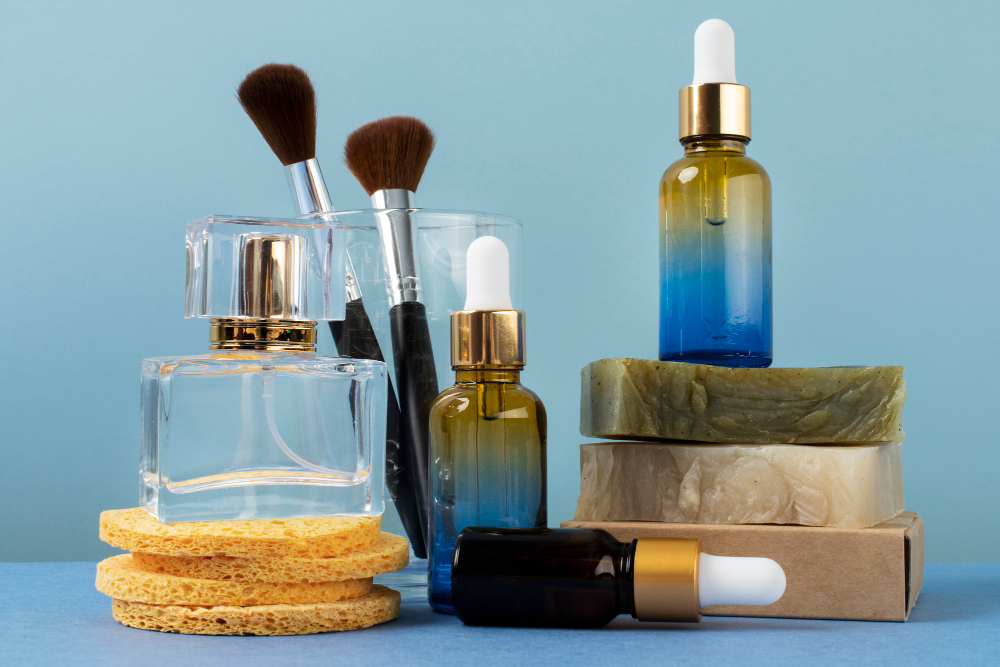
- Cosmetics: Products intended to be put on the human body to cleanse, beautify, promote attractiveness, or alter appearance without affecting the body’s structure or functions. Examples of cosmetics include moisturizers, cleansers, lipsticks, and fragrances.
- Drugs: Products intended to diagnose, cure, mitigate, treat, or prevent disease, or intended to affect the structure or function of the human body. Sunscreens, acne treatments, and anti-dandruff shampoos can also fit this definition.
Some products may be both cosmetics and drugs. For example, an anti-aging moisturizer that also claims to reduce wrinkles by altering skin structure could be regulated as both. In such cases, the product must meet requirements for both categories.
The Federal Food, Drug, and Cosmetic Act (FD&C Act)
The FD&C Act is the cornerstone legislation governing skincare and cosmetic products in the U.S. Under this law:
Cosmetics must not be adulterated or misbranded
Take care of the following:
- Adulterated: Containing harmful or contaminated ingredients.
- Misbranded: Incorrectly labeled or misleading in claims.
Ingredients must be safe for intended use
Unlike drugs, cosmetics do not require pre-market approval. However, companies are legally responsible for ensuring safety through testing, documentation, and compliance with good manufacturing practices.
Proper labeling is required
The FDA regulations for skincare products have very strict guidelines regulating how ingredients, directions for use, and warnings can appear on labels. Misbranding is simply failing to meet these standards regarding a label.
Labeling Requirements for Skincare Products
Labeling is one of the most visible and tightly regulated areas of compliance. According to FDA guidelines, labels must include:
- Identity of the product (what it is and its intended use)
- Net quantity of contents (e.g., ounces, grams, or milliliters)
- Ingredient declaration (listed in descending order of predominance)
- Manufacturer or distributor details (name, address, and contact information)
- Warnings and directions for safe use, where applicable
Misleading claims are particularly scrutinized. For example, a cream labeled as “FDA approved” would be misleading because the FDA does not approve cosmetic products. Similarly, overstating benefits, such as promising to “cure eczema” without drug approval, could reclassify the product as a drug, triggering stricter regulations.
Good Manufacturing Practices (GMP)
While the FDA regulations for skincare products do not have specific cosmetic GMP regulations, it does provide guidelines and expect manufacturers to maintain quality systems that prevent contamination, mislabeling, and safety issues. Following GMP is not only a best practice but also a safeguard against liability.
Manufacturers should consider:
- Quality control systems for raw materials and finished products
- Sanitation of equipment and facilities
- Documented production processes and batch testing
- Traceability in case of recalls
Ingredient Regulations and Restrictions
Unlike the European Union, which maintains a centralized list of approved and banned cosmetic ingredients, the FDA takes a different approach. In the U.S., cosmetic companies may use almost any ingredient as long as it is not harmful under labeled use conditions. However, some key points apply:
- Color additives: Subject to FDA approval based on intended use, excluding color additives that are legally approved for their intended use.
- Prohibited ingredients: There are very few prohibited ingredients for cosmetics, such as chloroform and mercury compounds.
- Restricted ingredients: Certain ingredients may only be used under specified conditions.
Ultimately, brands are responsible for proving their products are safe. This can often involve toxicology reviews, stability testing, and dermatological reviews before sale.

The Role of the FDA in Enforcement
Cosmetics do not require FDA approval, and the FDA cannot approve cosmetic products, but they do monitor the cosmetic industry and their ingredients, regulations, enforcement, and product formulations. The FDA can:
- Conduct facility inspections
- Send warning letters when companies are out of compliance
- Request recalls or seize products that are not safe
- Bring legal action against companies that communicate or market products falsely or misleadingly.
The FDA also has the Voluntary Cosmetic Registration Program (VCRP), where cosmetic manufacturers can register their products and their establishments. Registration is not required, but it demonstrates openness and accountability.
Key Considerations for Emerging and Private Label Brands
Emerging skincare brands, of which some will be private label formulations, often find themselves confronted with FDA compliance as the first hurdle to market entry. A common misconception that has surfaced among many entrepreneurs is that all responsibility for compliance is gone due to working with a private label partner.
The key point here is that most private label manufacturers provide a compliant formulation that a reputable and capable laboratory has tested. And, the brand itself remains legally responsible for how the products are marketed, which includes product labeling.
To ensure compliance with FDA regulations for skincare products, private label skincare brands should:
- Work with a trustworthy manufacturer that engages in GMP
- Disconfirm the safety of ingredients and the associated documentation
- Diligently review labeling before launch
- Steer clear of non-supported or “drug-like” claims unless proper approvals have been achieved
Conclusion
Focused specifically on compliance for skincare products in the U.S., it is easy to misinterpret FDA regulations as challenging, convoluted, or difficult to comprehend. This is simply because the regulation of cosmetic products is built on three main principles: Safety, Truth in labeling and Accountability. Therefore, understanding how they work together may not be intuitive. Though cosmetics do not require approval, all brands share the common task of being accountable to and ensuring compliance with FDA regulations for skincare products according to the requirements and standards.
Another compliance issue for any private label skincare brand is more than just avoiding fines and penalties; it’s about establishing credibility and satisfying consumer trust. When you find a strong private label partner with a comprehensive understanding of the complex Federal, State, and Local regulations, private label compliance provides an accelerated process ensuring that product formulations are safe, labels are consistent and compliant, and products will meet expectations from any FDA inspection. Compliance with creativity will allow brands to move forward, knowing their greatest concern is in creating the best products. Our team of private label skincare solution experts will help bring efficacy and quality of products you can trust to market. Contact us today!