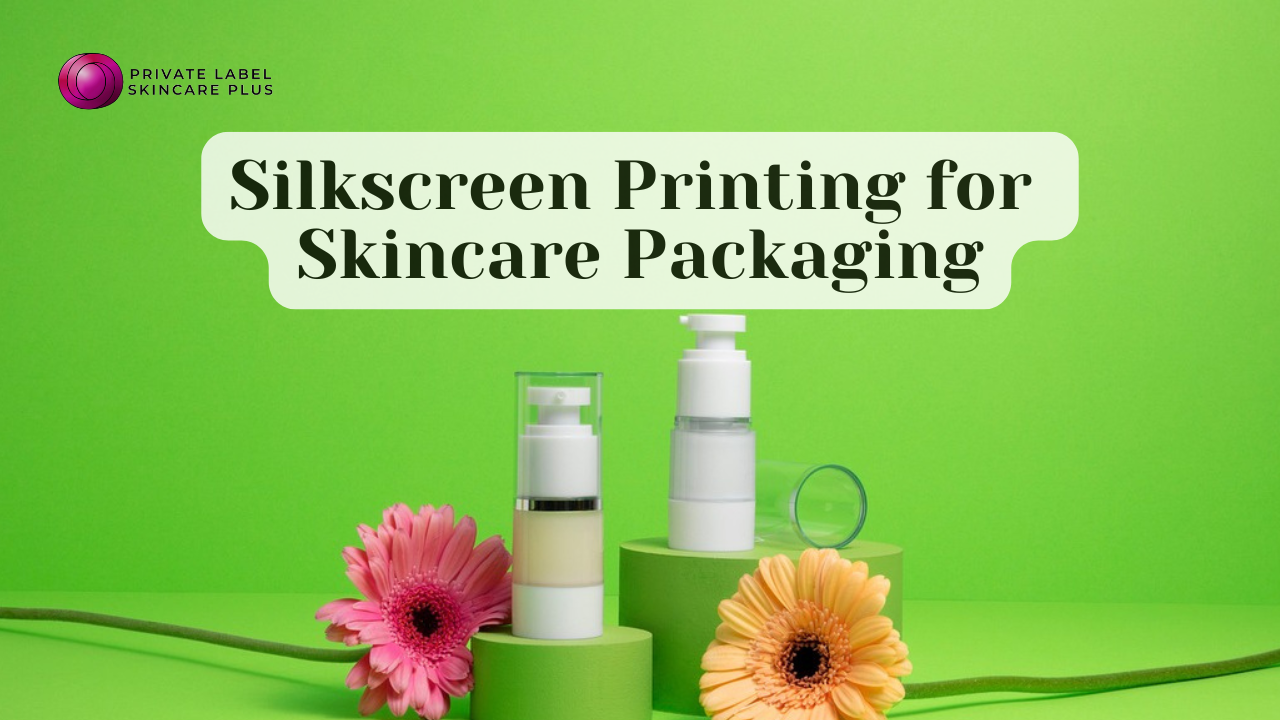
In the market of countless skincare brands, product quality is not the only factor that promises success. The way the product is presented or the product packaging also plays an important role. According to stats, 30% businesses reported a boost in their revenues when they improved their product packaging. Not just presentation, but product packaging is also a critical component of product integrity, safety, and brand trust.
Silkscreen printing is a durable, high-quality method to apply brand visuals and regulatory information directly onto product containers. This method minimizes the reliance on stick-on labels that can peel or degrade. However, in the formulation-sensitive field of clinical skincare, manufacturers & brand owners must also remain vigilant to ink migration risk in packaging.
In this article, we will uncover how silkscreen printing operates from a manufacturing, clinical, and regulatory perspective and why selecting the right printing partner is crucial for clinics and skincare professionals.
An Overview of Silkscreen Printing
Silkscreen printing is a special printing method that transfers ink onto a substrate by forcing it through a fine mesh screen where stencil-openings define the design, one color at a time.
It is widely used in high-end cosmetic and skincare packaging because of several aspects, such as
- Its ability to produce rich color saturation
- Durable decoration
- Strong adhesion on materials, such as glass, plastic, & metal
Silkscreen Printing Process
In practice, the process begins with preparing the screen (mesh, frame, emulsion), making sure the substrate is clean and properly treated to accept ink. Ink is then applied using a squeegee, and after printing, curing (via heat or UV) is done to fix the ink for resistance to abrasion, moisture, oils, & frequent handling.
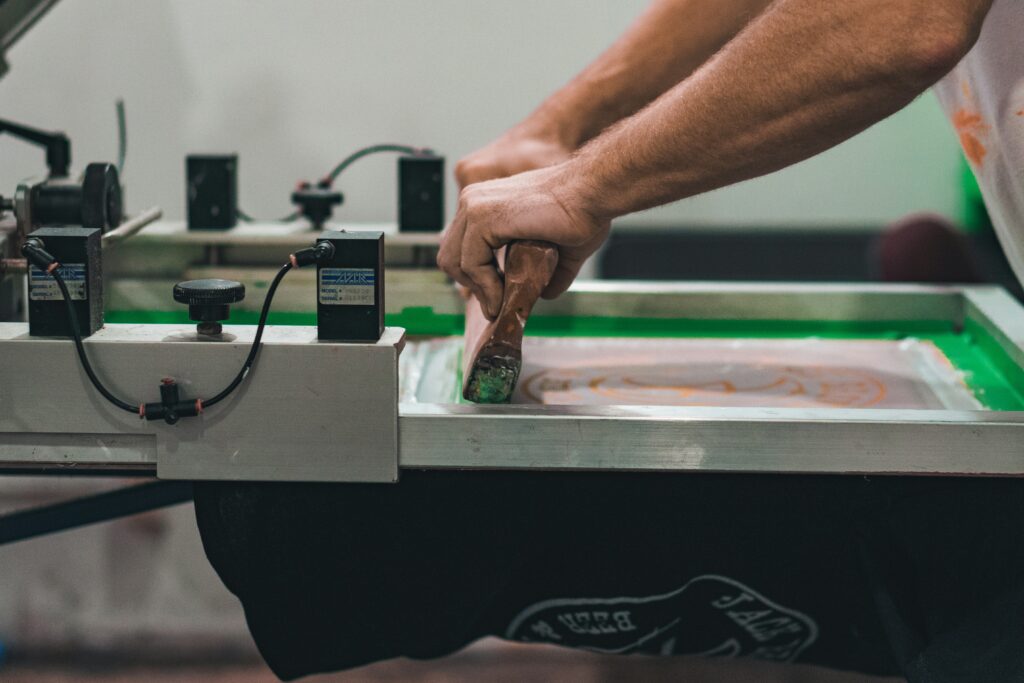
Because each color requires its own screen, registration and color matching become crucial for consistent brand identity.
Dermatological & Clinical Considerations for Silkscreen Printing
When developing branded skincare products, one of the key concerns is the dermatological safety of all packaging components, including the inks used in silkscreen printing.
Even when the printed surface does not directly touch the product, volatile or non-volatile ink components may migrate, especially under heat, light, or over long storage. This can potentially cause skin irritation. Clinics and formulators must consider ink migration risk in packaging as part of product safety assessments.
Some of the clinical issues may include
- Allergic contact dermatitis
- Sensitization
- Cytotoxicity
To prevent them, proper curing and selection of low-migration or food/sensitive-contact compliant inks can mitigate such risks.
Besides all of this, packaging material also plays a crucial role. For example, glass or metal substrates often provide strong barriers against migration, whereas certain plastics and flexible substrates may be more permeable.
The combination of substrate, ink formulation, curing method, and storage conditions determines whether the packaging will preserve product integrity and maintain clinical safety. Skincare brand owners should require migration testing, extractables & leachables assessments, and ensure all labeling meets regulatory requirements for safety and transparency.
Advantages vs Limitations of Silkscreen Printing for Skincare Packaging
The use of silkscreen printing comes with both advantages and limitations. Let’s dive into the benefits first.
Longevity
The primary benefit of silkscreen printing is long-lasting prints. The printing has immense durability, thanks to the ink used in screen printing that adheres strongly to the surface. The powerful adhesion to the surface of materials ensures that your design won’t fade, peel, or smudge, even with frequent handling.
This makes it ideal for products that need to withstand wear, like product packaging or promotional items.
Cost-effectiveness
The next big advantage of silkscreen printing is its cost. When you are handling mass or large-scale production of skincare products, silkscreen printing costs less. Once the screen is properly set, it can be reused for a large number of products. Moreover, when the designs are the same for products, the overall cost reduces significantly.
Versatility
Whether you want your product labels to be printed on paper, cardboard, glass, or plastic, silkscreen printing is ideal for all the materials. With this versatility, silkscreen printing can be easily done on irregular shapes with proper surface preparation, opening doors for various packaging options and promotional products.
Premium Visuals
Through silkscreen printing, skincare brands can achieve premium visual & branding effects by delivering vivid colors, metallic inks, gloss varnishes, or pearlescent finishes. This increases perceived value and shelf appeal while maintaining consistent color fidelity and upscale look. Having premium visuals is also one of the essential tips for skincare branding.
Besides these benefits, silkscreen packaging for skincare packaging also has some downsides.

High Setup Costs for Small Batches
Because each color in silkscreen printing requires its own screen, plus film, stencil, and pre-production work, setup costs become disproportionately high for small runs. MOQ (minimum order quantities) tend to be large.
Complexity with Multicolor and Fine Detail Designs
Multicolor designs necessitate precise registration of multiple screens. Fine detail or gradients are difficult to reproduce, especially on curved or textured substrates. It’s harder to align, increasing risk of misregistration or muddy overlap.
Environmental and Regulatory Concerns
Some inks (especially solvent-based or with high VOCs) carry environmental, health, or regulatory risk. Ensuring dermatological safety and compliance means using low-migration, non-toxic inks and often performing extractables/leachables or migration testing.
Is Silk Screen Printing Packaging Sustainable?
Yes, silkscreen printing packaging for skincare products is sustainable. If you want to reduce the environmental footprint of your clinic or skincare business, silkscreen printing can help.
- Silkscreen printing does not require a high quantity of material that reduces waste during production.
- The use of soy oil-based or water-based inks reduces environmental impact.
- Silkscreen printing does not require lamination. This reduces the use of additional materials in production.
How Private Label Skincare Plus Supports Skincare Brand Owners?
Private Label Skincare Plus empowers clinics and skincare professionals to launch or expand branded lines with minimal risk and full control. We offer custom formulation or “stock-plus” options tailored for medical and aesthetic clients, alongside premium packaging including silkscreen printing to enhance shelf presence and brand differentiation.
With very low minimum order quantities (starting around 100 units), we enable both pilot programs and full-scale launches without excessive upfront investment. Every product undergoes rigorous quality assurance, safety testing, and complies with global regulatory norms.
Our team supports you through
- Design
- Material selection
- Packaging finishes
- Documentation
And more. We do this to help doctors boost patient loyalty and ensure that your product line is clinically credible, visually compelling, & ready for the market.
Conclusion
In an abstract, the benefits of silkscreen printing for skincare packaging easily outweigh its drawbacks. Therefore, if you have a clinic or a skincare brand, you need a professional and attractive packaging design and labeling service provider. We at Private Label Skincare Plus are a team of professionals and visionaries who can take your product game to the next level.
Our silkscreen printing services are aimed to deliver premium packaging solutions that not only attract customers, but also keep them coming back. If you are in search of a private label service provider, reach out to us today.